
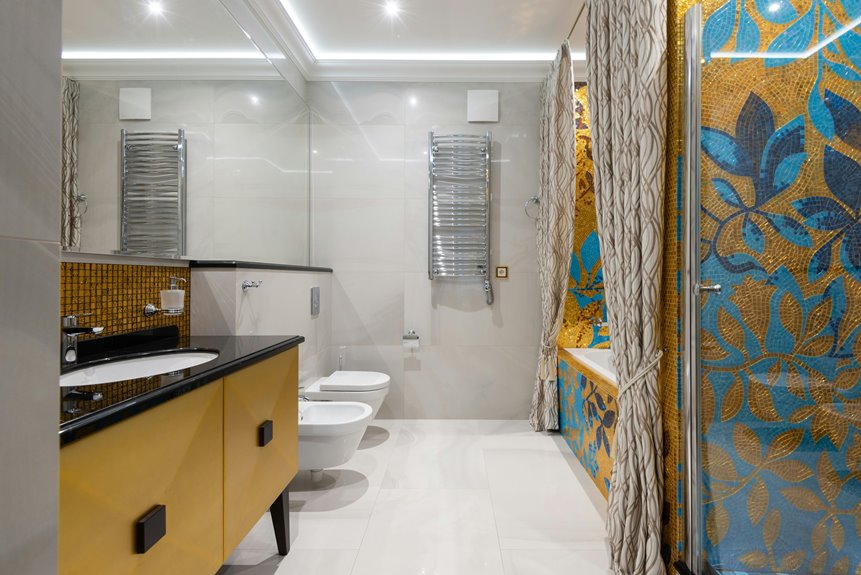
Bathroom remodel costs range from $5,000 for small updates to $30,000-plus for major work, and here’s why.
Your project scope sets the foundation—moving fixtures like toilets or showers requires expensive plumbing relocations.
Material choices matter too; premium tiles and stone countertops cost more upfront but last longer.
Installation complexity and hidden structural damage discovered during teardown can increase expenses quickly.
Understanding these five factors helps you budget realistically and avoid unexpected costs along the way.
What Counts as a Bathroom Remodel: Scope Determines Budget
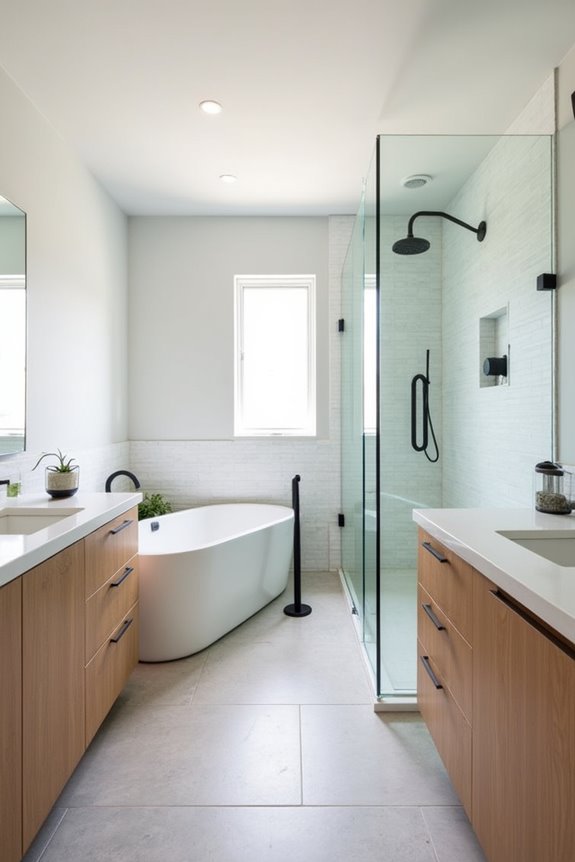
When you’re thinking about updating your bathroom, here’s the key thing to understand: the scope of your project—meaning what you actually plan to change—will directly determine how much you’ll spend. A small update might cost around $5,000, while a major master bath remodel can reach $30,000 or more.
Here’s what drives those costs: labor expenses increase with project size, and major work like plumbing relocations and tile selection add significant money. You’ll also need to budget for waterproofing, fixture upgrades like tubs and vanities, permits, and possible electrical updates. Planning matters tremendously. When you clearly define your scope upfront, you distinguish major items from smaller updates. This distinction helps prevent budget overruns and keeps your timeline realistic. Professional input from engineers sometimes becomes necessary, so factor that into your planning too.
Material Selection: Why Better Finishes Cost More (And Last Longer)
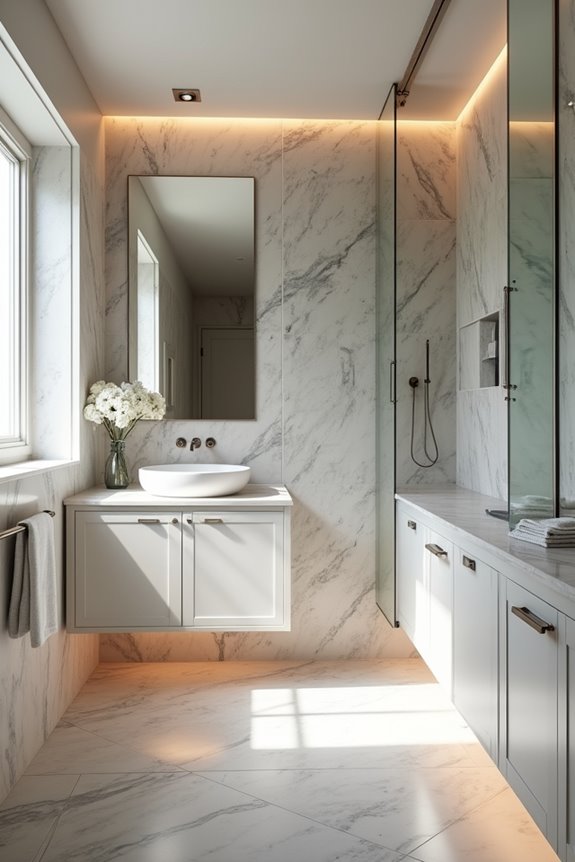
Why does material selection matter so much in bathroom decoration? I’ll tell you—it’s the difference between a bathroom that looks good for five years and one that lasts twenty. Here’s what you’re really choosing when you pick your materials:
- Premium tiles and stone countertops raise your material costs upfront but deliver superior durability and visual appeal
- Tile surrounds cost more than BP-Cor2 alternatives yet require ongoing tile maintenance like grout staining fixes
- Available colors and patterns vary by material, affecting both price and your design flexibility
- Hardware finishes (chrome, black matte, brushed nickel) add specialty costs through connections and finishes
- Lifetime warranties on products like Shugarman’s Bath offset long-term replacement risk and enhance value
Better finishes aren’t just more attractive—they’re smarter investments that reduce your long-term upkeep expenses.
How Installation Difficulty Drives Up Labor Costs
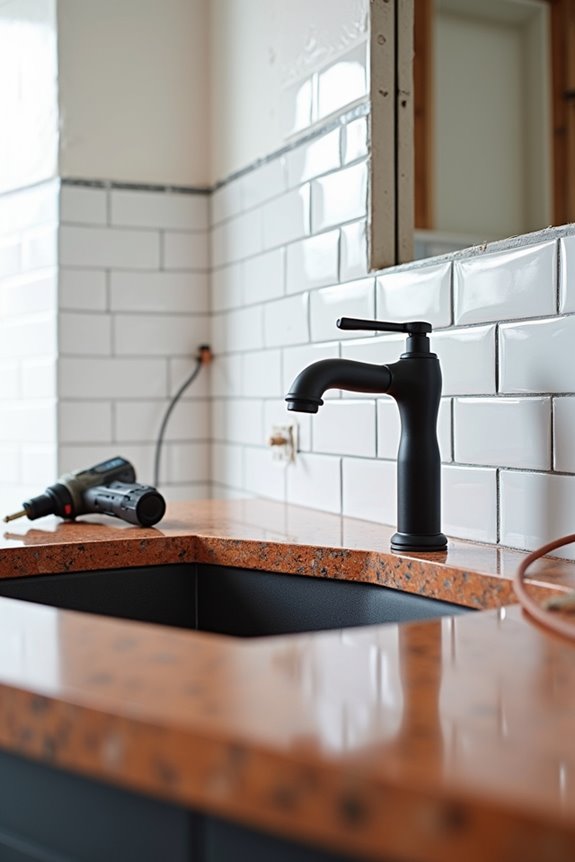
Installation complexity is where your bathroom project costs can jump dramatically. I’ve seen projects balloon from mid-range to high-end simply because of hidden installation difficulty factors. When you’re planning shower remodels or moving fixtures, labor costs multiply quickly due to waterproofing, tiling, and fixture complexity demands.
| Factor | Impact on Labor |
|---|---|
| Plumbing relocations | Significantly increases skilled labor time |
| Complex layouts | Requires multiple trades coordination |
| Shower installations | Among priciest due to waterproofing needs |
| Cabinet installation | Adds labor through plumbing connections |
Keeping your existing plumbing footprint helps control expenses considerably. Moving toilets or altering pipe layouts demands extra expertise. Complex layouts require plumbers, electricians, and tile setters working together, boosting your overall labor hours. Cabinet installation and vanity placement involve trades coordination that extends timelines and costs.
Layout Changes: The Hidden Cost of Redesigning Your Space
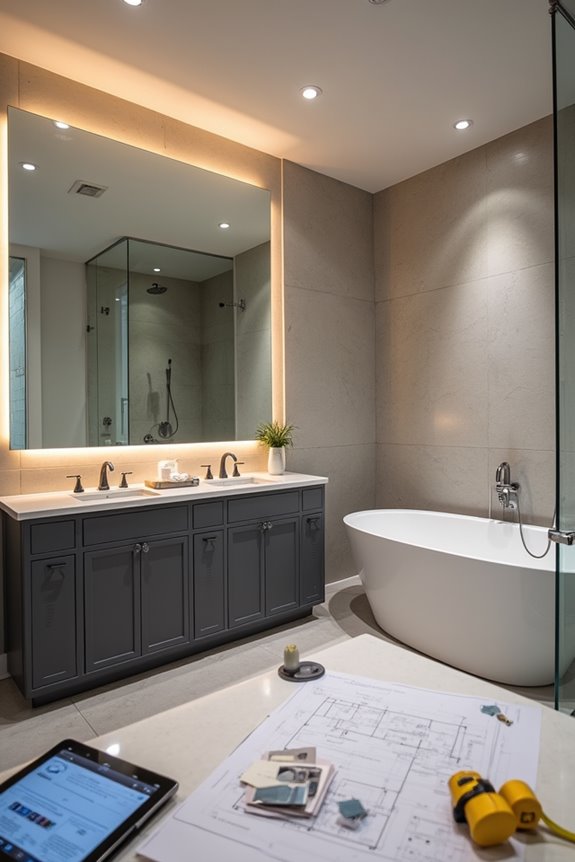
One of the biggest budget surprises I’ve encountered happens when homeowners decide to move their toilet, shower, or vanity to a new spot in the bathroom. Layout changes create serious remodeling costs that catch many people off guard.
Layout changes in bathrooms create serious remodeling costs that catch many homeowners off guard.
When you relocate fixtures, you’re triggering plumbing relocations that demand skilled labor and careful project coordination. Here’s what impacts your budget:
- Moving pipes into foundations or attic venting escalates costs substantially
- Space planning requires professional expertise and time
- Additional materials multiply your material needs
- Foundation work demands specialized contractors
- Coordination between trades extends your timeline
I recommend keeping your existing plumbing footprint whenever possible. If you must redesign, justify layout changes through accessibility or safety improvements rather than aesthetics alone. This approach helps control expenses while addressing genuine needs in your bathroom redesign.
Unexpected Structural Damage: Your Biggest Budget Risk
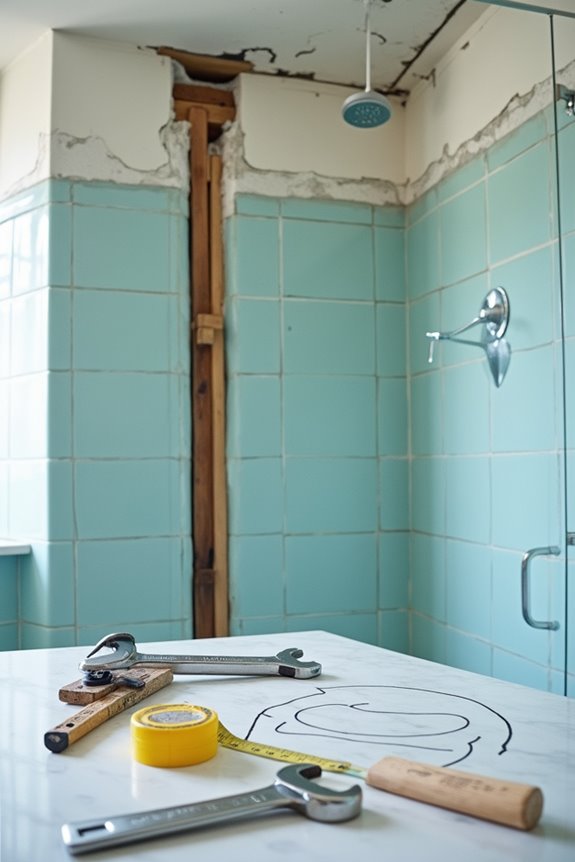
When you tear into your bathroom walls during a remodel, you’re opening a box that might contain some unwelcome surprises. Hidden issues like plumbing problems and wood rot can lurk beneath your tub or shower, waiting to spike your budget dramatically once uncovered.
I’ve seen renovation surprises turn modest projects into major undertakings. Uncovering damage often requires a down-to-the-studs approach to maintain structural integrity. Plumbing relocations amplify this cost escalation because specialized labor becomes necessary.
Here’s what I recommend: invest in a thorough pre-installation inspection before work begins. This step identifies structural damage early and prevents budget risk from spiraling. Companies like Shugarman’s Bath even offer guarantees covering damage found during installation, acknowledging how real this threat is.
Skip the inspection phase at your peril.