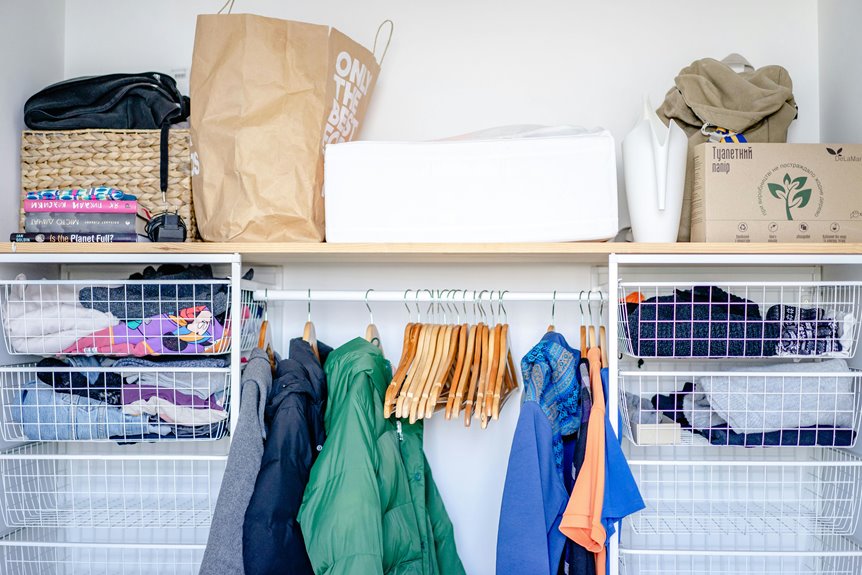
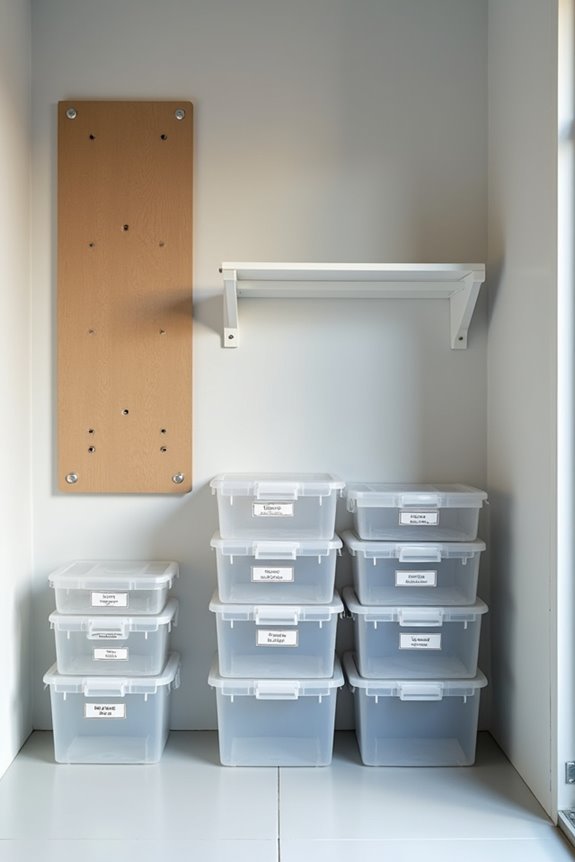
Start by clearing out clutter and wiping surfaces clean. Install adjustable metal shelving and pegboards to maximize vertical space, then add LED strip lighting in warm or cool tones matching your zone’s purpose. Color-code clear bins with labels for quick identification. Define distinct areas—like a tool station near outlets or a project workspace—based on whether you’re creating a gym, craft studio, or office. Layer in interlocking foam mats for comfort and acoustic foam for sound control. These foundational steps create an organized, functional space that meets your storage needs.
Start With a Clean Foundation: Clear and Declutter First
How do you turn a storage unit into a space you want to use? Start by clearing out what doesn’t belong. Remove irrelevant items first, then do a quick surface wipe to eliminate dust and create a clean baseline. This foundation matters because you can’t plan a space you can’t see clearly.
Next, declutter completely. Clear all surfaces and remove items that don’t match your intended look. This step helps you visualize your actual wall and floor space. You’ll spot opportunities for new layouts and accents you couldn’t see before.
As you work, identify functional zones—storage areas, display spaces, work sections. Define these boundaries clearly before adding any decorations. Pack away mismatched items. Finally, create a mood board listing your desired colors and materials. This guides all your decorating decisions moving forward.
Install Shelving and Storage Systems to Maximize Vertical Space
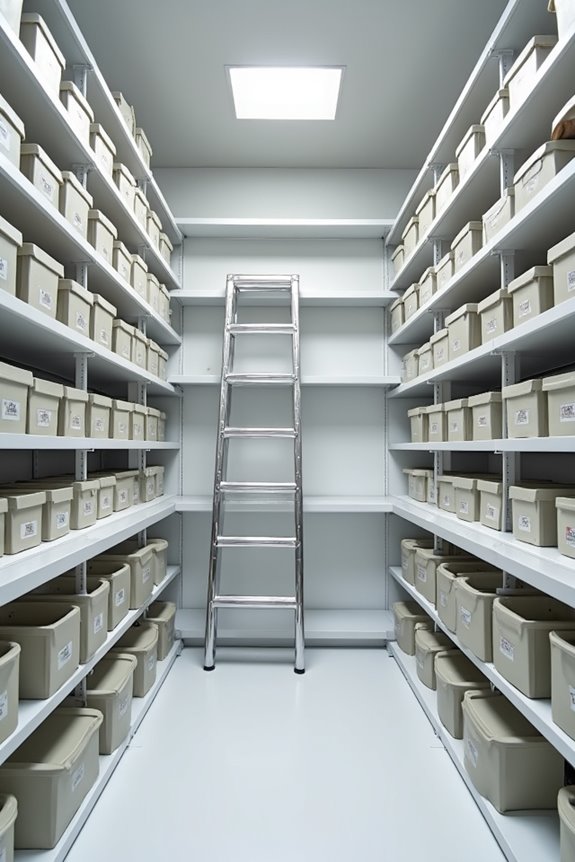
Now that you’ve got a clean foundation, it’s time to build upward. Installing shelving and storage systems organizes your unit effectively. I recommend adjustable metal shelving units first—they’re versatile and handle heavy loads. Pegboards or slatwall panels work great for tools and accessories at arm’s reach. Your storage options expand significantly when you use stackable clear bins with labels. You’ll know exactly what’s inside without moving everything around. Don’t forget about overhead space. Ceiling-mounted racks and elevated bins reclaim valuable floor room for larger items. Add proper lighting and climate control near shelves holding fragile decorations or craft supplies. This protects your belongings from damage. Layer your vertical storage strategically, and you’ll create an efficient system that feels manageable and welcoming.
Choose Lighting That Works for Your Activity
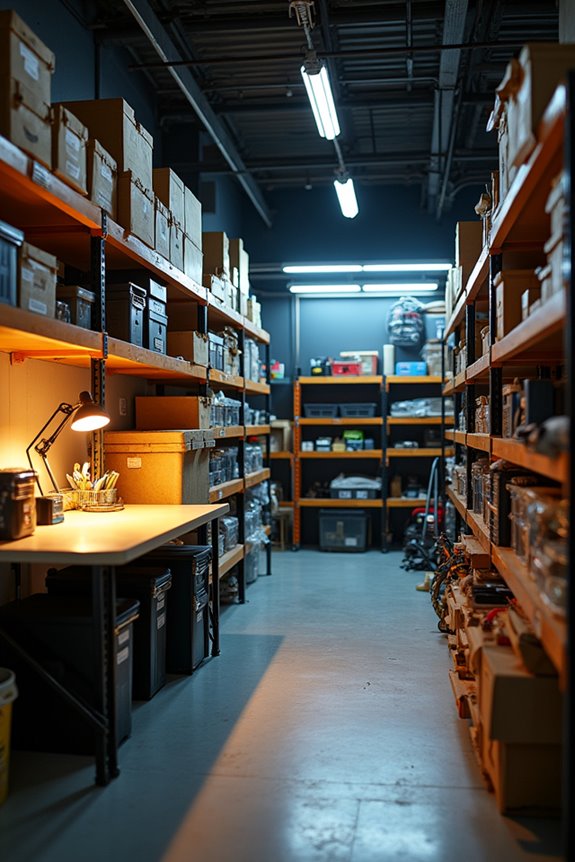
I’ll match my lighting to what I’m doing in the storage unit: bright, neutral LED overheads work best if I’m working out or doing detail tasks, while warmer, dimmable lamps suit the space if I’m using it for creative projects. Task lighting with adjustable arms at my workstation helps me avoid shadows when I’m doing precise work like sewing or editing photos. The key is picking lights that fit each activity so I can work safely and comfortably without straining my eyes.
Bright Lights For Workouts
When you’re using your storage unit as a workout or craft space, proper lighting matters. Strategic storage unit lighting affects how you perform and feel during activities. Here’s what I recommend:
- Install LED strip lights along shelves and work surfaces for even, glare-free illumination
- Add adjustable overhead track lighting to spotlight different zones and define your workout areas
- Choose daylight-balanced bulbs at 5000K for accurate color readout and reduced eye strain
- Install dimmable task lighting at benches so you can shift from high-energy workouts to relaxing stretches
These lighting solutions create an environment where you’ll want to spend time. Proper brightness keeps you safe during exercises and helps you see clearly during detailed tasks. You’ll notice the difference right away.
Ambient Lighting For Creativity
How you light your creative space depends entirely on what you’re making. I’ve found that choosing the right ambient lighting makes your storage unit a functional creative zone. For detailed work like crafting or jewelry making, I use bright neutral white lights (3500–4500K). When I’m doing photography setup or brainstorming, I switch to warmer tones (2700–3000K) to set a relaxed mood.
| Activity | Color Temperature | Best For |
|---|---|---|
| Detailed crafting | 3500–4500K | Precision work |
| Photography setup | 2700–3000K | Creative mood |
| Jewelry making | 4000K+ | Fine details |
| Brainstorming | 2700–3000K | Relaxation |
| Video editing | 5000K | Accuracy |
I layer my lighting with overhead fixtures, task lamps, and portable options. This reduces shadows and improves color accuracy. I make sure my dimmable lights minimize glare on screens. This setup keeps my creative environment flexible and welcoming.
Task Lighting For Detail
Task lighting provides focused light exactly where you need it for your storage unit decorating work. When you’re working on intricate details, you’ll want lights that help you see clearly without straining your eyes.
What to consider:
- Choose LED strip lights or clamp lamps you can position directly over your work surfaces
- Pick adjustable brightness and color temperature between 3000K-6500K to match your task
- Install under-cabinet or shelf lighting to highlight display areas and eliminate shadows
- Select dimmable options so you can adjust light levels for different decorating projects
Battery-backed lights work well in storage units where outlets are limited. Position your task lighting to avoid glare, which creates shadows and makes detail work harder. Energy-efficient LED options reduce costs while giving you the focused illumination you need.
Identify Your Storage Unit’s Primary Purpose (Gym, Craft, Office, or Studio)
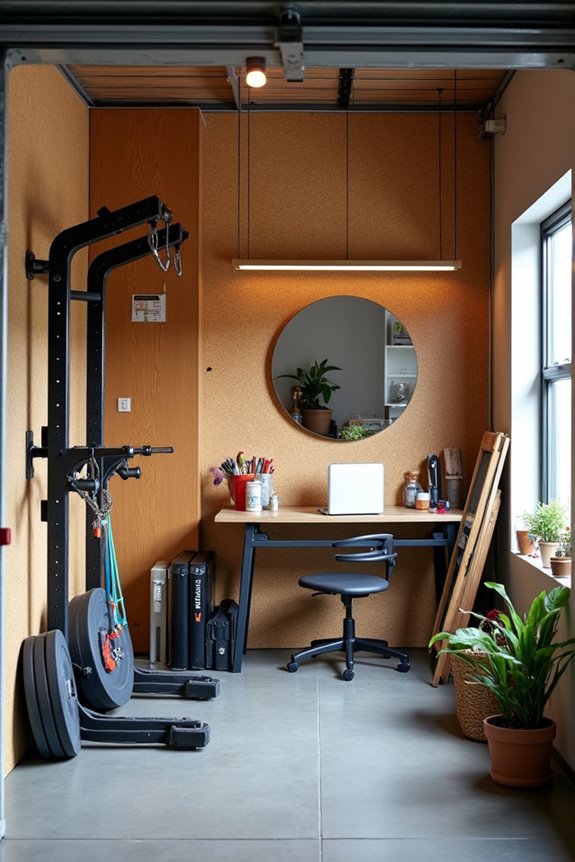
Before you design your storage unit, you’ve got to figure out what you’ll actually use it for—whether that’s a home gym, craft workshop, office space, or creative studio. Each purpose needs different things: a gym needs durable flooring and power outlets by your equipment, while a craft space requires task lighting and organized storage for supplies. Once you know your primary function, you can match your design choices to what’ll actually work best for your goals.
Assessing Your Primary Function
The first step in decorating your storage unit is figuring out what you’ll actually use it for—and I mean really use it for. Before you buy shelving or paint walls, think honestly about your needs. Here’s what you should consider:
- Do you need climate control for sensitive items like electronics or artwork?
- Will you be working actively in the space, or just storing things?
- How often will you access your storage unit each week?
- What types of items will take up the most space?
Once you’ve answered these questions, your primary function becomes clear. A hobby gym needs different flooring than a craft studio. An office requires reliable power outlets and lighting, while a podcast studio demands soundproofing. Your answers guide every decorating choice you’ll make next.
Matching Design To Purpose
Now that you’ve figured out what you’ll actually do in your storage unit, it’s time to match your design choices to that specific purpose.
Your storage unit organization improves when you tailor features to your activity. A home gym needs climate control and rubber flooring to handle sweat and dropped weights. A craft space requires ample electrical outlets and task lighting for detailed work. An office demands professional shelving and cable management. A studio benefits from soundproofing materials and dedicated workstations.
| Purpose | Key Features | Storage Priority |
|---|---|---|
| Gym | Ventilation, rubber mats | Equipment racks |
| Craft | Outlets, bright lighting | Clear bins, labels |
| Office | Shelving, organization | Filing systems |
| Studio | Soundproofing, power | Wall-mounted gear |
Select durable, washable surfaces that handle your specific demands. This targeted approach creates a functional space you’ll actually use.
Design Distinct Zones Based on Your Activities
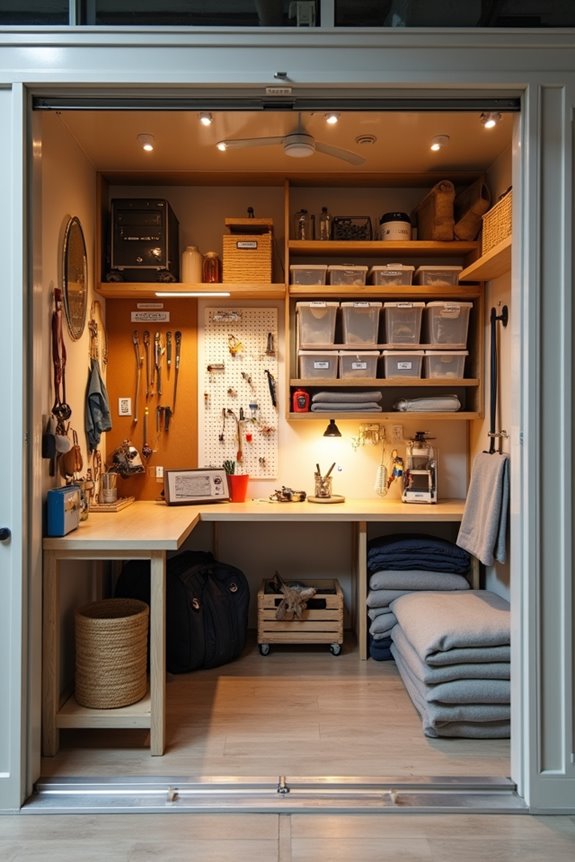
How you arrange your storage unit makes a real difference in how smoothly your decorating projects actually work. Creating separate zones brings order to disorganization and improves workflow efficiency.
Here’s how I’d organize your space based on storage unit sizing:
- Gear Zone – Keep decorations, lights, and seasonal items in stackable bins on labeled shelves
- Tool Station – Store supplies, paint, and hardware near electrical outlets for task lighting
- Project Area – Dedicate open floor space for assembly and setup work
- Design Library Corner – Display fabric swatches, mood boards, and color samples for quick reference
I use removable curtains to separate these zones without permanent changes. This setup lets you reconfigure whenever your projects shift. Planning your electrical needs per zone means you’ll have adequate lighting wherever you’re working. You’ll find items faster and stay organized throughout your decorating journey.
Choose Colors and Decor That Match Your Zone
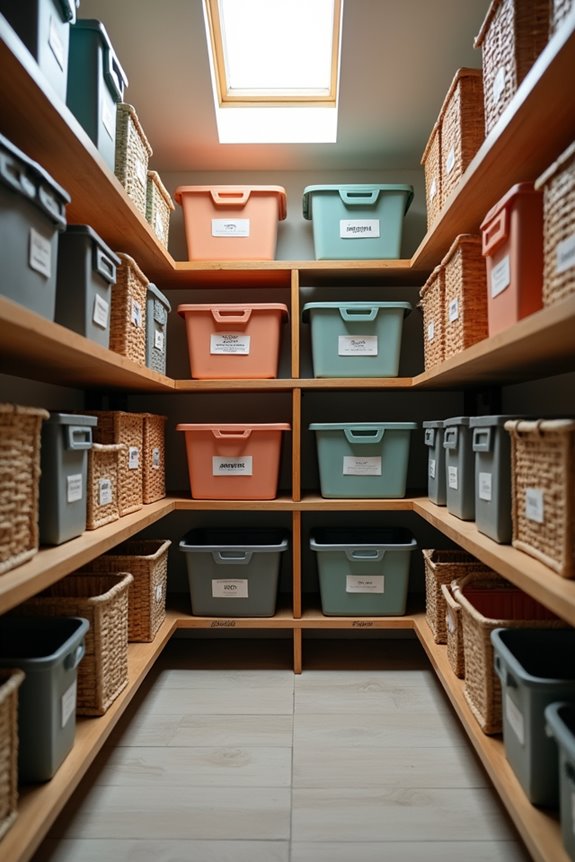
Once you’ve mapped out your zones, it’s time to give each one its own visual identity through color and decor choices. I recommend selecting storage unit colors that either energize or calm, depending on what you’ll do in each area. Bold colors work well for active zones like tech or craft spaces, while softer tones suit relaxation areas.
Here’s what I do: I use color-coded bins and clear containers so I can spot items instantly. I add LED strip lighting in warm or cool tones to match each zone’s purpose. Wall-mounted pegboards in complementary colors maximize space without crowding floors. Washi tape or removable decals help me mark tech, textile, and decor sections without damaging walls. This approach keeps everything organized and visually connected to how I actually use the space.
Label Everything for Quick, Visual Organization
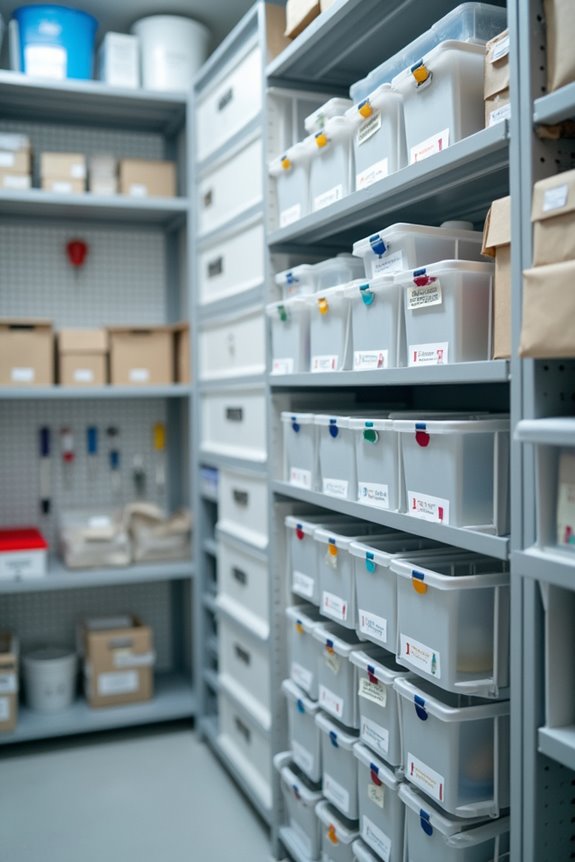
Why spend time hunting through unmarked boxes when a good labeling system gets you what you need in seconds?
Creating clear labels keeps my storage unit organized so everything’s easy to find. Here’s how I keep things running smoothly:
- Color-code labels by category—holiday decor, photography gear, fabrics—so you spot what you need instantly
- Use clearly labeled boxes on open shelving for quick visual reads of contents at a glance
- Keep a master inventory list with box numbers, contents, and locations, updating as items move
- Apply protective wrapping with labels to maintain a neat appearance while protecting items from dust
This system means you’re not wasting time searching through unmarked containers. When you need something specific, check your inventory, find the box number, and grab it. You’ll know exactly what’s stored where.
Add Sound Dampening, Climate Comfort, and Work Surfaces
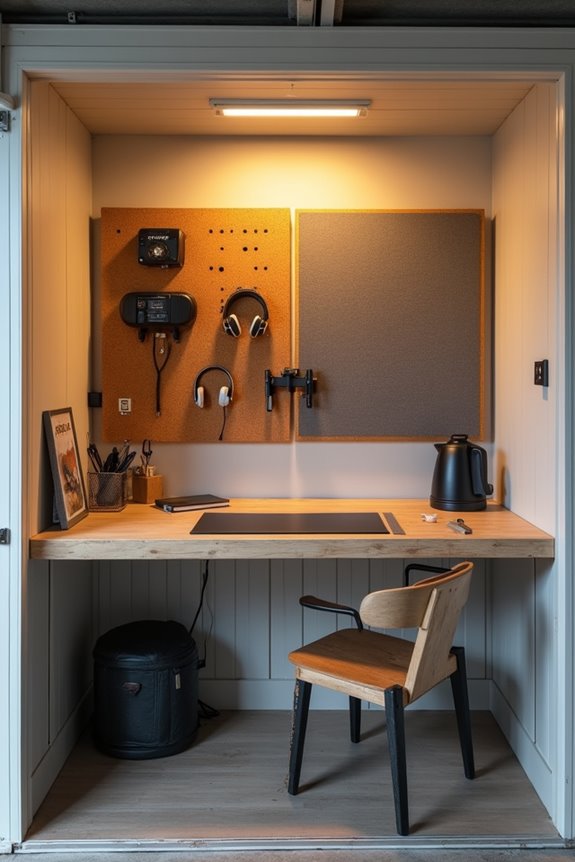
Your storage unit doesn’t have to feel like a bare concrete box—you can create a comfortable workspace that protects your items and lets you actually spend time there without distractions. I’ve found that adding hinged fiberboard panels or acoustic foam to the walls provides real benefits. Sound dampening keeps your music or video work private, which matters when you’re using your storage unit for creative projects. Next, choose a climate-controlled unit if possible. Layer breathable textiles and rugs to regulate temperature during long decorating sessions. Install a fold-out table or modular desk system for dedicated planning space. Finally, add interlocking foam tiles or rubber mats for comfortable standing. These practical upgrades create a functional environment where you’ll actually want to work.
Make Your Decorated Storage Unit a Functional Retreat
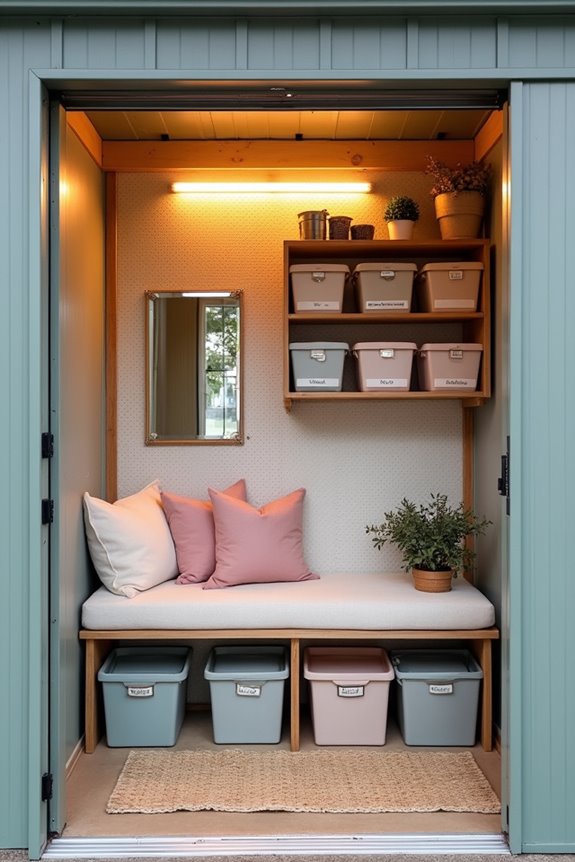
Building on those practical upgrades, you can now create a storage unit that functions as a dedicated work area where you’ll want to spend focused time.
- Add a comfortable seating area with a small chair or cushion where you can take breaks and recharge between creative sessions.
- Install adjustable LED lighting that lets you control brightness for different activities like reading, sketching, or organizing your space.
- Use modular, low-profile furniture and wall-mounted organizers to keep your storage unit clutter-free while maintaining easy access to everything you need.
- Arrange color-coordinated storage bins and labeled boxes to create distinct zones that separate inspiration materials, tools, and supplies for quick rotations.
These elements work together to make your storage unit function as a personal work area. You’ll appreciate having a dedicated space that supports both productivity and creativity without distractions.