
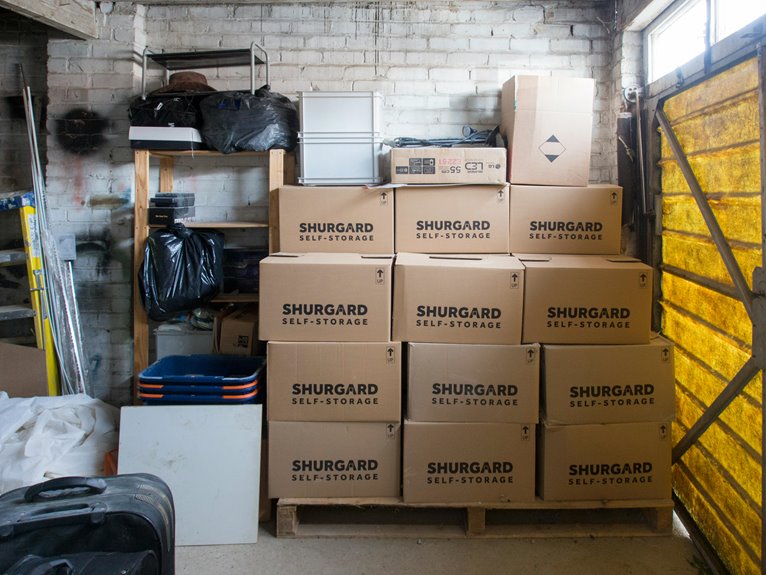
The best storage unit depends on what you’re storing and where you live. Extra Space Storage excels at humidity control for delicate items like antiques and vinyl records. Public Storage offers wide availability across 42 states with competitive pricing around $123–$158 monthly.
CubeSmart provides affordable climate options at roughly $160 monthly, while U-Haul reaches all 50 states with strong 24/7 security. Consider your item type, location, and budget—emerging markets like Boise offer better value. The details ahead show exactly how to match your specific needs.
Climate-Controlled Storage: Protection for Sensitive Items
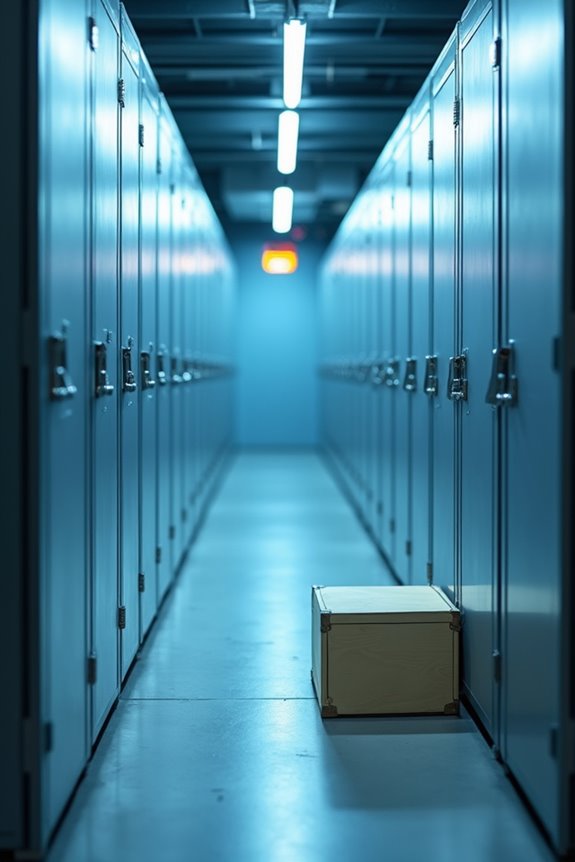
Why would your wooden furniture or vinyl records suffer in a regular storage unit? Temperature swings and humidity changes damage sensitive items quickly. Climate-controlled storage maintains temperatures between 50–80 degrees Fahrenheit, protecting what matters to you. Consider this option if you’re storing wooden furniture, antiques, textiles, electronics, or vinyl records. These items need stable conditions to remain in good condition. Extra Space Storage offers both climate-controlled storage and humidity-controlled storage options with on-site managers and digital surveillance. You’ll pay more—typically $114–$292 monthly—but your valuables stay protected. Check availability at Public Storage, CubeSmart, U-Haul, and Extra Space Storage in your area. Temperature protection is an investment in preserving items you care about.
Extra Space Storage Leads on Temperature and Humidity Control

Extra Space Storage stands out because they offer four distinct climate control options to match different storage needs, from basic climate-controlled units to specialized humidity-controlled storage that keeps moisture levels precise. Their monitoring systems track temperature and humidity in each unit, typically maintaining conditions between 50–80 degrees Fahrenheit to prevent damage from heat, cold, or mold. Ask your local Extra Space Storage facility about their specific monitoring methods, as the setup can vary by location. Combining that knowledge with their on-site managers and digital surveillance provides protection for valuable items.
Four Climate Control Options
When you’re storing items that can’t handle temperature swings or moisture, climate control becomes important. Extra Space Storage gives you four solid options to protect your belongings.
Climate-controlled units maintain temperatures between 50–80 degrees Fahrenheit, shielding your stuff from extreme heat and cold. Humidity-controlled storage manages moisture levels precisely, though it’s not available at every location. Indoor units offer basic protection, and additional temperature and humidity management features round out the lineup.
Here’s what matters: ask your facility manager how they monitor temperature and humidity for your specific unit. They’ll explain which climate-control option works at that location. Yes, climate-controlled units cost more than traditional storage, but they’re worth the investment for valuable or sensitive items.
Precise Humidity Monitoring Systems
Now that you know climate control protects your items, it’s worth understanding how humidity monitoring actually works. Extra Space Storage’s humidity control systems go beyond standard climate-controlled storage by maintaining precise moisture levels that prevent mold and mildew damage.
Here’s what you should know about their monitoring approach:
- Real-time sensors track humidity levels continuously throughout the facility
- Systems maintain specific humidity targets tailored to your stored items
- Digital surveillance complements humidity monitoring for comprehensive protection
- On-site managers regularly review monitoring data to maintain consistency
- Exact humidity targets and methods vary by location
Since monitoring specifics differ across facilities, I’d recommend contacting your local Extra Space Storage directly. Ask about their specific humidity ranges and how frequently they check readings. This conversation helps you understand exactly what protection your belongings receive.
Safety Features and Access
How do you actually get into your storage unit, and who’s watching to make sure it stays secure? Extra Space Storage uses electronic gate access so you can reach your unit whenever you need it. On-site managers patrol the facilities regularly, and digital surveillance cameras monitor activity around the clock. This combination of security features creates a protective environment for your belongings.
When you’re renting a climate-controlled unit, ask the facility manager about access hours and how they monitor temperature conditions. Some locations offer extended or 24-hour access, which matters if you need your items outside standard business hours. Understanding these specifics helps you choose a unit that fits your schedule and protection needs. The best storage experience combines convenient access with reliable security monitoring.
Public Storage Dominates Availability Across 42 States
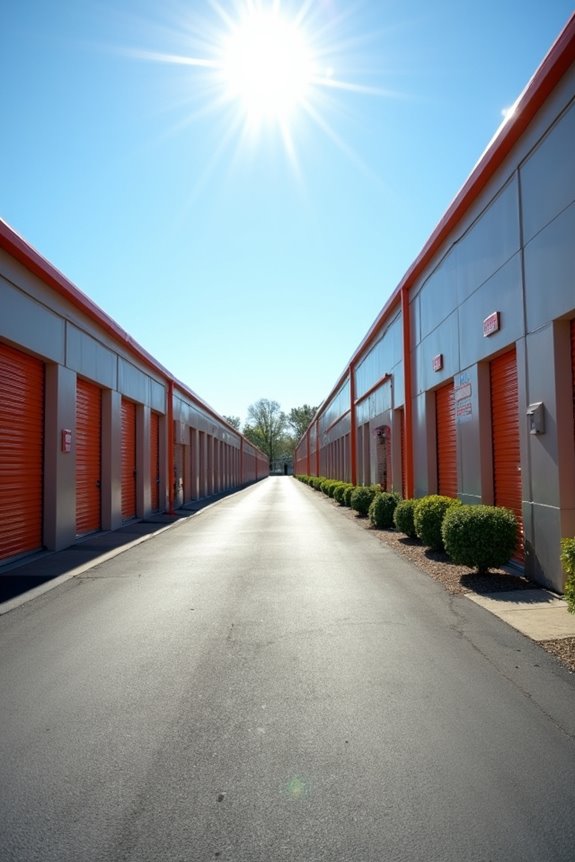
Public Storage operates in 42 states plus Washington, D.C., making it one of the most widely available options you’ll find, though keep in mind that not every location offers climate-controlled units. When you’re comparing prices across different service areas, you’ll notice climate-controlled units run higher than standard storage—typically around $123–$158 monthly in places like Raleigh, NC—but the company frequently runs online discounts and new-customer promotions that can help offset those costs. Before you commit to a unit, I’d recommend checking your specific area’s inventory, since climate control availability varies by location even within states where Public Storage operates.
Wide Geographic Coverage
When you’re searching for a storage unit, location matters—and that’s where Public Storage’s nationwide network gives you a real advantage. I’ve found that having access across 42 states and Washington, D.C. means you can find a facility near you, whether you’re moving locally or need storage in a new city.
What this coverage provides:
- Multiple unit sizes from 5 ft. x 5 ft. to 10 ft. x 25 ft. available in most markets
- Climate-controlled storage options to protect sensitive items from temperature swings
- On-site managers at facilities for direct support and security oversight
- 24-hour access to your unit whenever you need it
- Promotional pricing and online discounts varying by metro area
This widespread availability means you’re selecting a storage provider used by millions of customers nationwide.
Climate Control Availability Gaps
Where you’ll find climate-controlled units matters just as much as finding a storage facility itself. Availability varies significantly across the country. Public Storage dominates with facility locations in 42 states and Washington, D.C., yet not every location offers climate control. Here’s what you need to know: climate-controlled units maintain temperatures between 50–80 degrees Fahrenheit, protecting your belongings from extreme heat and humidity. Pricing and availability differ depending on where you live. Climate-controlled options typically cost more than standard indoor spaces. Before committing, check your specific area’s offerings. Extra Space Storage stands out by providing four climate-related options nationwide. Call ahead or search online to confirm your nearest facility has the climate control you need.
Pricing Across Service Areas
How much you’ll actually pay for storage depends heavily on where you live and what type of unit you choose. Public Storage operates across 42 states and Washington, D.C., but pricing varies significantly by location and unit sizes.
Here’s what affects your costs:
- Location matters: A 10-by-10 climate-controlled unit in Raleigh, NC runs $123–$158 monthly
- Unit size impacts price: Options range from 5×5 to 10×25 feet
- Climate control costs more: Expect 20–50% higher pricing than standard indoor spaces
- Metro areas differ: Prices shift based on your region’s demand
- Promotions reduce fees: New customers often find better rates online
You’ll find the best deals by comparing locations within your metro area and asking about current promotions. Shopping around helps you match your budget with the right unit size.
CubeSmart Offers the Most Affordable Climate-Controlled Options
Why pay more for climate control when CubeSmart delivers it at roughly $160 per month? I’ve found that CubeSmart stands out for affordability in the climate-controlled storage market. They offer three climate options: Climate-Controlled Storage, Air-Cooled or Evaporative-Cooled Storage, and Heated Storage. Keep in mind that humidity control isn’t included in their Climate-Controlled Storage tier, so consider your specific needs.
What makes CubeSmart particularly practical is their dense network of 1,300+ locations paired with solid discounts for military, college, and referral programs. Beyond affordability, you’ll access perks like free Wi-Fi and workstations that justify the investment. You’re joining a group of people who value smart spending without sacrificing adequate protection for your belongings.
U-Haul Storage Reaches All 50 States With 24/7 Security
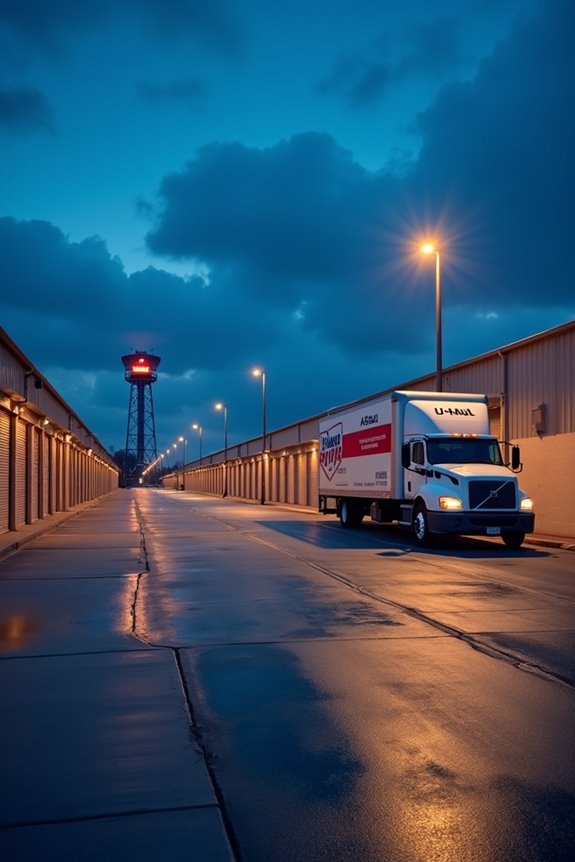
If you need storage accessible across the entire country, U-Haul Storage operates in all 50 states and Canada, making it a practical option when you’re moving or need flexibility.
U-Haul provides nationwide availability with consistent security features:
- 24/7 camera surveillance at most locations
- Alarmed rooms that alert staff to unauthorized access
- Card or code entry systems for controlled access
- Intercoms connecting you to resident support
- Climate-controlled storage units maintained between 65 and 80 degrees Fahrenheit
Keep in mind that not every facility offers climate-controlled options. Pricing and amenities vary by location, so you’ll want to check your specific area. This regional flexibility lets you compare options within one trusted provider, whether you’re storing seasonally or long-term.
How Location, Size, and Price Align With Your Storage Need?
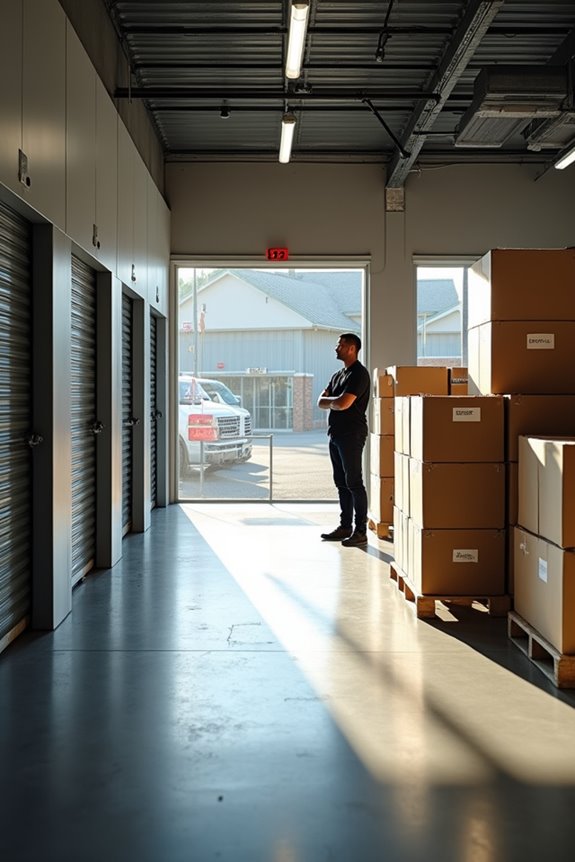
The right storage unit comes down to three things working together: where it’s located, how big it is, and what you’re willing to spend. Your location affects both price and what features you’ll find available. A climate-controlled unit in a major metro area costs more than a standard indoor space in a smaller town. Unit size determines your monthly cost, so measure what you’re storing first. Compare per-square-foot pricing across providers like Public Storage and CubeSmart in your ZIP code. Consider whether you need climate control for sensitive items or basic protection. Check move-in costs too—online promotions can reduce your initial investment considerably. Match your storage choice to what you’re actually keeping, and you’ll find the best value for your situation.
Security Features That Protect Your Belongings Beyond Climate Control
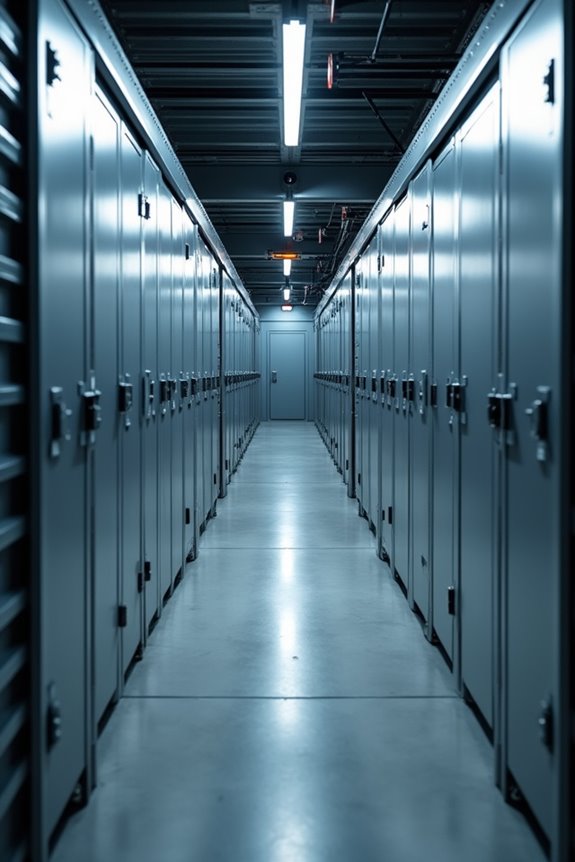
Beyond keeping your items at the right temperature, you’ll want to know how a storage facility actually stops thieves and prevents unauthorized access. Strong security features work together to protect what matters to you.
Look for these protections:
- 24/7 video surveillance monitoring all areas continuously
- Card or code entry systems controlling who accesses the facility
- Alarm systems alerting staff to unauthorized entry attempts
- Fenced perimeters creating a physical barrier around the property
- On-site managers providing real-time oversight and rapid response
These security measures create layers of protection. Video surveillance deters theft while documenting any incidents. Access control limits entry to authorized people only. Alarm systems trigger immediate responses when something’s wrong. Combined, they safeguard your belongings around the clock. Higher security features typically cost more, so balance protection levels with your budget and specific storage needs.
Which Emerging Markets Deliver the Best Value in 2026?

Where should you look if you’re hunting for storage value in 2026? I’d consider Boise, Idaho your best bet for affordability. You’ll find 12.4 million NRSF of inventory with 16.0 NRSF per resident—meaning plenty of options at reasonable rates. Their 11.1% pipeline suggests competitive pricing as new facilities enter these emerging markets.
Sarasota-Cape Coral offers massive selection at 22.8 million NRSF, though it comes at a higher cost. For smaller markets with growth potential, Savannah-Hilton Head presents opportunity. The storage markets there remain less saturated, with 6.9 million NRSF inventory and 23 active projects.
Compare unit sizes and lease terms across these emerging markets. Location matters—choose based on your specific needs and budget constraints rather than just market size.